Holiday Notice: Our office will be closed from December 24th to January 2nd.
For any emergencies or questions, please email us at any time. Happy Holidays from Virtuosum Orthodontics!
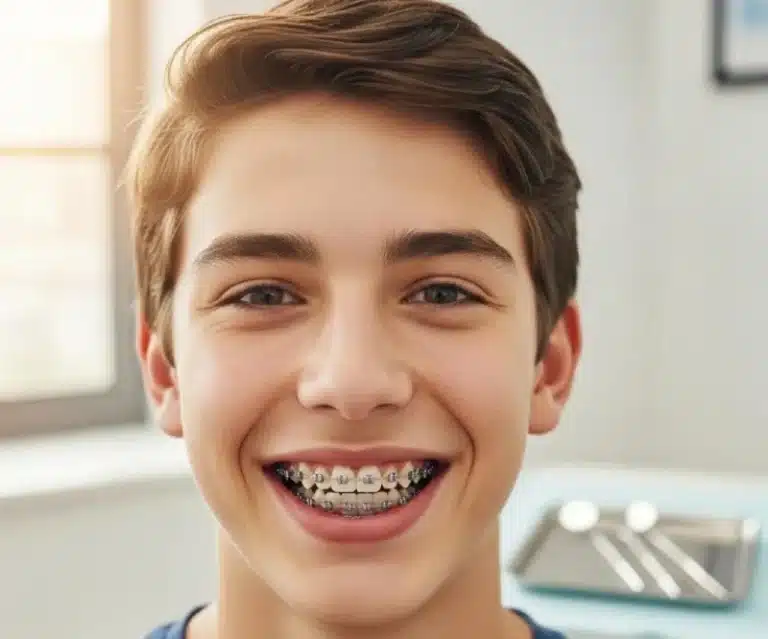
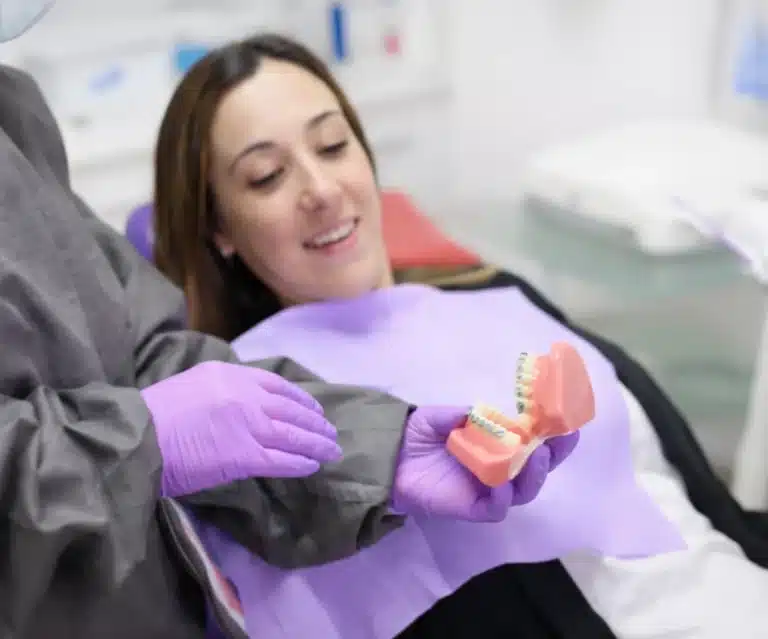
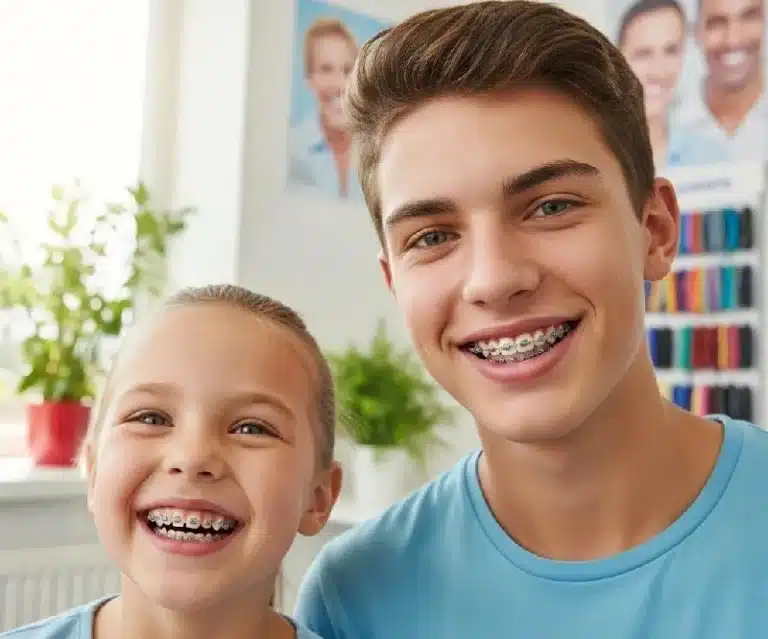
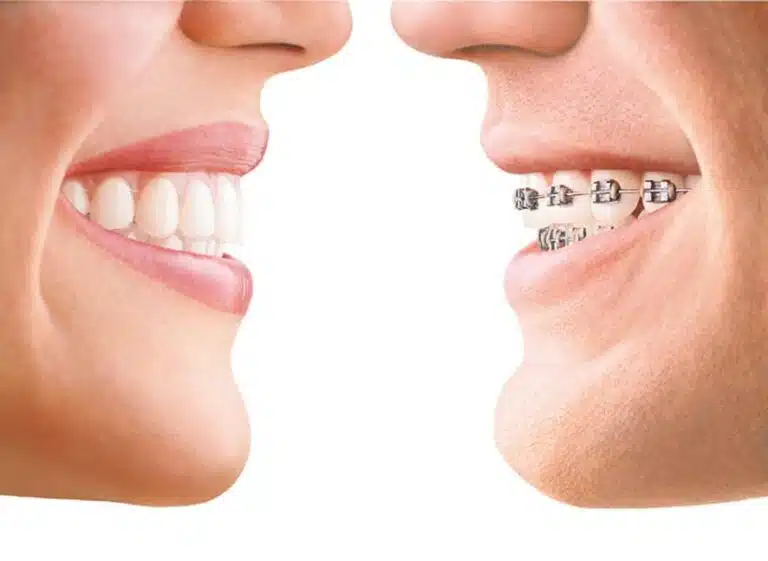
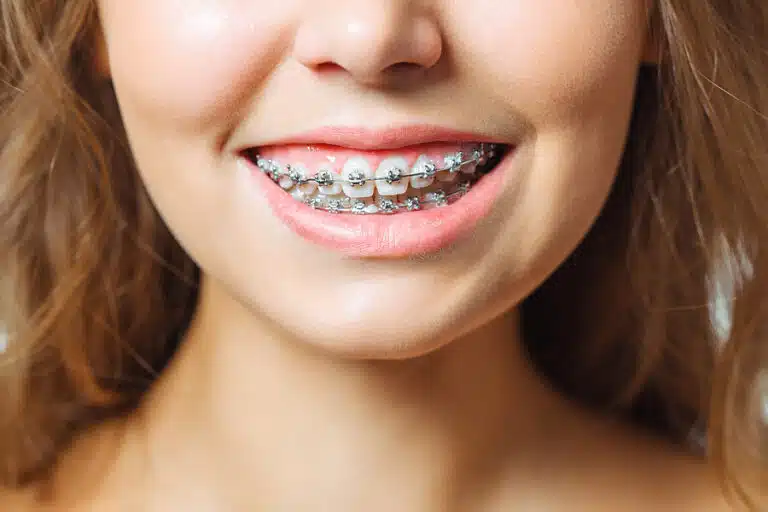
Braces come in various types, each designed to cater to specific orthodontic needs and patient preferences. Traditional metal braces are the most common, utilizing brackets and wires to gradually shift teeth into place. Other options include ceramic braces, which blend with the natural color of teeth, and lingual braces, which are placed on the back of the teeth for a more discreet appearance.
Choosing the right type of braces depends on factors like the severity of the dental issue, aesthetic preferences, and budget. For instance, while metal braces are typically more affordable, ceramic braces may appeal to those looking for a less noticeable option. Consulting with an orthodontist can help patients make an informed decision based on their unique circumstances.
After completing orthodontic treatment with braces or Invisalign, proper post-treatment care is essential to maintain the results. This includes wearing retainers as prescribed by the orthodontist to prevent teeth from shifting back to their original positions. Regular dental check-ups are also important to monitor oral health and ensure the alignment remains intact.
In addition to wearing retainers, patients should continue practicing good oral hygiene by brushing and flossing regularly. This helps prevent plaque buildup and cavities, which can compromise the results of orthodontic treatment. Following a balanced diet and avoiding hard or sticky foods can also contribute to the longevity of the treatment outcomes.
There are several myths surrounding orthodontic treatments that can lead to misconceptions. One common myth is that braces are only for children and teenagers, whereas adults can also benefit from orthodontic care at any age. Another myth is that orthodontic treatment is purely cosmetic, when in fact, it can significantly improve oral health and function.
Debunking these myths is crucial for patients considering treatment. For example, some adults may hesitate to seek braces due to fear of judgment, but many orthodontic practices now offer discreet options like clear aligners. Understanding the realities of orthodontics can empower individuals to pursue the smile they desire without unnecessary apprehension.
The field of orthodontics has seen significant advancements in technology, enhancing both the effectiveness and comfort of treatments. Innovations such as 3D imaging and computer-aided design allow orthodontists to create customized treatment plans tailored to each patient's needs. This technology can lead to more accurate predictions of treatment outcomes and shorter overall treatment times.
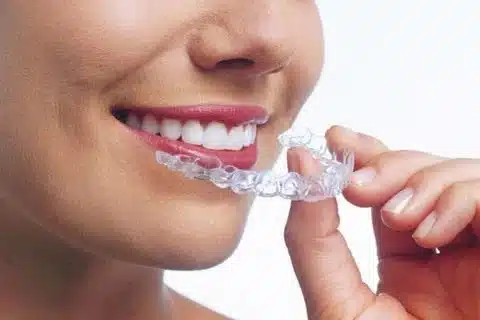
Additionally, the introduction of clear aligners has revolutionized the way patients approach orthodontic care. These removable devices offer a more flexible and aesthetically pleasing alternative to traditional braces, allowing for easier maintenance of oral hygiene. As technology continues to evolve, patients can expect even more efficient and effective orthodontic solutions in the future.