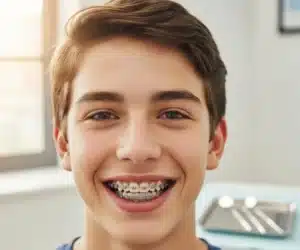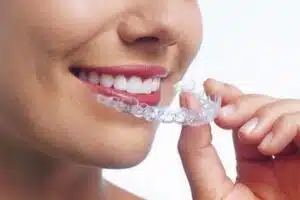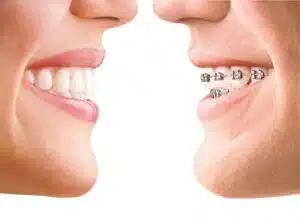

Orthodontics for all ages helps children, teens, and adults achieve healthy, aligned teeth and a confident smile. Modern treatments are customized for each stage of life, ensuring effective results at any age.
Orthodontic treatment, including braces, supports long-term dental health and aesthetic outcomes at any age, offering treatment strategies that differ between adults and children due to developmental factors, clinical objectives, and appliance selection.
This article summarizes those differences, outlines common treatment options, describes typical timelines, and reviews methods for managing discomfort. It also summarizes the services offered by Virtuosum Orthodontics in Melbourne, which provides comprehensive orthodontic care for patients of all ages.
What Are the Main Differences Between Adult and Child Orthodontic Treatments?
Key distinctions arise from skeletal maturity, prior dental work, and treatment duration. Growing jaws in children permit certain growth-modification approaches that are not available to adults. Conversely, adults frequently present with fully developed bone and restorative work such as crowns or bridges, which can necessitate more complex planning.
Orthodontic Treatment Options for All Ages
This table outlines the various orthodontic appliances suitable for children and adults, highlighting their specific applications and benefits. Understanding these options can help patients make informed decisions about their orthodontic care. Below is a comparison of common orthodontic options:
| Appliance Type | Best For | Description |
|---|---|---|
| Clear Aligners | Adults and Teens | Discreet, removable aligners that gradually shift teeth into place. |
| Traditional Metal Braces | Children, Teens, and Adults | Reliable fixed appliances for correcting a wide range of malocclusions. |
| Invisalign for Children | Children | Clear, removable aligners designed for younger patients to facilitate oral hygiene. |
| SureSmile Technology | Adults and Teens | Advanced 3D imaging technology for customized treatment plans and improved precision. |
Each orthodontic appliance serves distinct clinical needs, ensuring optimal functional and aesthetic outcomes for patients of all ages. Selecting the right appliance is crucial for effective treatment and patient satisfaction.
What Types of Braces and Aligners Are Suitable for Children?

Several clinically appropriate options exist for pediatric patients.
- Invisalign for Children: A clear, removableInvisalign® aligner system that facilitates oral hygiene and comfort in suitable cases.
- Traditional Metal Braces: A reliable solution for a broad range of malocclusions in growing patients.
- SureSmile Technology: Utilizes 3D imaging and SureSmile technology to produce customized treatment plans that improve precision and comfort.
These modalities provide flexibility and are selected according to the child’s developmental status and clinical needs.
What Are the Adult Orthodontic Treatment Options, Including Invisible Braces?
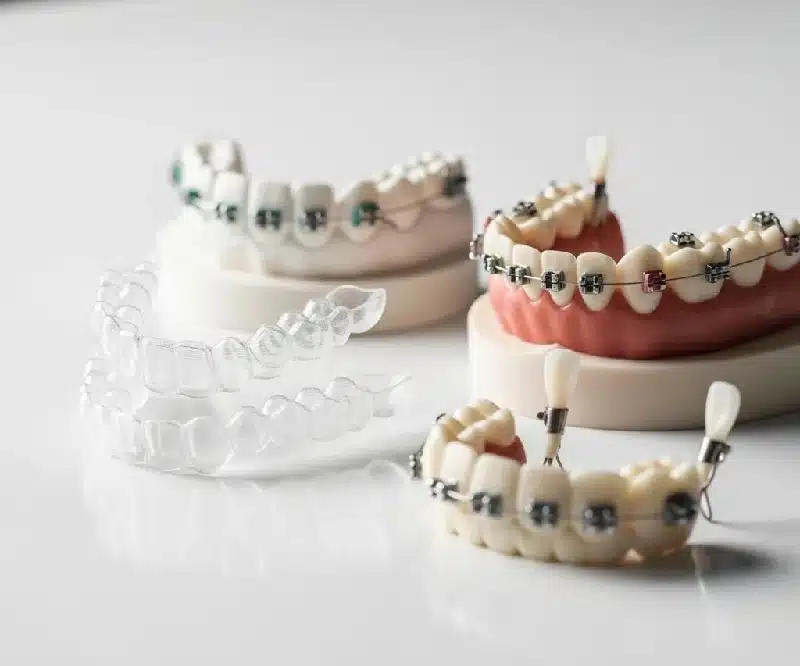
Adult patients may choose from multiple evidence-based treatment modalities.
- Traditional Metal Braces: Appropriate for complex alignment and occlusal correction.
- SureSmile Technology: Delivers precise planning and may reduce overall treatment time through advanced imaging.
- Invisalign Options: Favored for their discreet appearance and suitability for many adult cases.
These options are chosen to fit adult lifestyles while achieving clinical objectives.
How Does Orthodontic Treatment Duration Differ Between Adults and Children?
Treatment duration varies according to growth potential, case complexity, and chosen modality.
- Typical Duration for Children: Treatment commonly spans 1 to 2 years, subject to case complexity and jaw development.
- Typical Duration for Adults: Adult treatment often ranges from 18 months to 3 years, reflecting greater skeletal maturity and case complexity.
Clear timelines support realistic expectations for patients and their families.
What Factors Influence Treatment Length for Each Age Group?
Multiple variables determine overall treatment time for both children and adults.
- Bone Development: Active growth in children can permit more rapid skeletal and dental correction.
- Treatment Complexity: Cases requiring extractions, orthognathic surgery, or extensive occlusal correction will extend treatment duration.
- Patient Compliance: Consistent adherence to appliance wear and follow-up appointments is essential to avoid delays.
How Is Pain and Discomfort Managed During Treatment?
Discomfort is an expected aspect of orthodontic adjustment, but with orthodontics for all ages, established strategies are available to manage symptoms effectively.
- Common Pain Management Techniques: Over-the-counter analgesics may be recommended for short-term relief after adjustments.
- Patient Experiences: Many patients report that initial discomfort diminishes substantially within a few days.
- Consultation Recommendations: Regular review appointments allow the clinician to address concerns and modify care as required.
Why Choose Virtuosum Orthodontics for Family Orthodontic Care?
Virtuosum Orthodontics combines personalized treatment planning with contemporary orthodontic technology to deliver consistent clinical results, offering orthodontics for all ages.
- Experience and Expertise: The clinical team provides individualized plans tailored to each patient’s presentation.
- Patient Care Focus: A patient-centered approach ensures comfort, clear communication, and informed decision-making.
- Advanced Technology: Use of 3D imaging and digital planning enhances diagnostic accuracy and treatment efficiency.
What Expertise and Technologies Does Virtuosum Offer?
Patients at Virtuosum benefit from a combination of clinical expertise and advanced technologies designed to improve outcomes.
- Invisalign Technology: Provides a discreet treatment option for appropriate cases.
- SureSmile Technology: Enables precise treatment planning and may reduce treatment duration.
- 3D Imaging Capabilities: Improves the accuracy of diagnosis and the predictability of treatment results.
Start Your Orthodontic Journey at Virtuosum Orthodontics
Recognizing the clinical differences between adult and pediatric orthodontic care enables informed treatment decisions. Each age group requires tailored planning to achieve optimal outcomes and comfort. Selecting a specialized practice such as Virtuosum Orthodontics with experienced clinicians like Dr. Sean O’Callaghan ensures access to expert care and contemporary technologies. Call today to schedule your consultation and take the first step toward a healthy, confident smile!
Frequently Asked Questions
What is the ideal age for a child’s first orthodontic consultation?
The Australian Dental Association Orthodontic Treatment: Adults vs. Children recommends an initial orthodontic assessment by age 7. At this stage, an orthodontist can evaluate dental and jaw development and identify issues that may benefit from early management, while recognizing that exact timing depends on individual development.
How do lifestyle factors affect orthodontic treatment for adults?
Lifestyle factors can influence treatment logistics and outcomes. Work commitments may affect appointment availability or appliance wear. Behaviors such as smoking and dietary choices can adversely affect periodontal health and healing. Open communication with the orthodontist ensures a plan that accommodates individual circumstances.
Are there any dietary restrictions during orthodontic treatment?
Yes. Patients with fixed appliances should avoid hard, sticky, or chewy foods that risk bracket or wire damage, such as popcorn, hard candies, and chewing gum. Softer food choices and cutting larger items into smaller portions reduce the risk of appliance disruption while maintaining a balanced diet.
What should patients expect during their first orthodontic visit?
The initial visit includes a comprehensive clinical assessment, often supported by radiographs and photographs to evaluate dental and skeletal relationships. The clinician will review potential treatment options, approximate timelines, and financial considerations. This consultation is an opportunity to ask questions and discuss concerns.
How often do patients need to visit the orthodontist during treatment?
Typical review intervals are every 4 to 8 weeks, depending on the treatment phase and appliance type. Regular appointments allow monitoring of tooth movement, adjustment of appliances, and early resolution of issues to maintain progress.
What are the potential risks or complications associated with orthodontic treatment?
Orthodontic therapy is generally safe but carries potential risks such as enamel demineralization, periodontal disease if oral hygiene is inadequate, and root resorption in some cases. Discomfort during adjustments is common. Adherence to hygiene protocols and scheduled reviews mitigates many risks.
Can orthodontic treatment affect speech or chewing ability?
Orthodontic appliances may cause transient changes in speech and chewing during the initial adaptation period. Most patients adapt quickly, and function typically improves as alignment and occlusion are corrected, resulting in enhanced overall oral function.