
Yes, Invisalign can help improve certain jaw alignment issues, especially when they are related to mild to moderate bite misalignments. However, severe jaw discrepancies may require additional treatments like elastics, attachments, or even surgery.
Invisalign can help improve jaw function, reduce jaw pain, and enhance facial appearance and facial structure by correcting dental misalignments.
Invisalign is a popular orthodontic option for correcting many dental alignment concerns, including some jaw and bite problems such as overbites, underbites, and crossbites. Invisalign can help produce lasting changes in jaw position and improve bite function. This guide explains how Invisalign works, which jaw issues it can treat, and the key benefits. Misaligned jaws can cause pain and functional problems that worsen over time. Jaw misalignment can also contribute to health issues such as headaches, neck pain, and sleep apnea.
For many patients, Invisalign provides a discreet, effective route to improving bite and comfort. Invisalign can subtly improve jaw alignment over time by gradually moving teeth, which can reduce strain on jaw muscles and improve TMJ function. These gradual Invisalign changes can also subtly influence jaw alignment and facial profile. Below, we cover common jaw alignment issues, the treatment steps, who qualifies, typical timelines, and what to expect.
Common Jaw Alignment Issues Treated by Invisalign
This table outlines the various types of jaw misalignments that Invisalign can effectively address, along with their characteristics and potential impacts on oral health. Understanding these issues can help you determine if Invisalign is the right treatment for your needs.
| Jaw Misalignment Type | Description | Potential Effects | Treatability with Invisalign |
|---|---|---|---|
| Overbite | Upper front teeth overlap lower front teeth. | Can lead to jaw strain and TMJ disorders. | Mild to moderate cases are treatable. |
| Underbite | Lower teeth sit ahead of upper teeth. | May cause difficulty in chewing and speaking. | Mild to moderate cases are treatable. |
| Crossbite | Upper and lower teeth do not align properly. | Can result in uneven tooth wear and discomfort. | Mild to moderate cases are treatable. |
| Open Bite | Teeth do not touch when the mouth is closed. | Can affect chewing and speech. | Some cases may be treatable. |
| Deep Bite | Upper teeth significantly overlap lower teeth. | Can lead to excessive wear and jaw pain. | Mild to moderate cases are treatable. |
Note: Invisalign is effective for treating mild to moderate malocclusion, which can contribute to TMJ pain. Improving teeth fit with Invisalign can help alleviate TMJ symptoms by correcting bite misalignment, reducing strain on jaw muscles, and enhancing temporomandibular joint (TMJ) function.
What Are Common Jaw Alignment Issues Treated by Invisalign?

Jaw alignment problems affect oral health and daily function. Jaw problems can worsen without professional supervision, so Invisalign treatment should always be monitored by an experienced orthodontist. Invisalign jaw treatment targets several common misalignments to improve chewing, reduce discomfort, and enhance tooth appearance. Knowing which bite issues are treatable with aligners helps you decide if this option fits your needs, and keep in mind that Invisalign relies on removable aligners, which produce gradual and usually more subtle shifts compared to traditional braces.
Which Types of Jaw Misalignment Can Invisalign Correct?
Invisalign can help correct mild jaw misalignments like minor overbites, underbites, and certain types of crossbites. Invisalign is effective for mild to moderate overbites, underbites, and crossbites. An overbite means the upper front teeth overlap the lower front teeth; an underbite means the lower teeth sit ahead of the upper teeth.
Crossbites occur when upper and lower teeth don’t meet properly. Left untreated, these issues can cause uneven wear and jaw pain. Severe cases involving significant jaw misalignments or severe skeletal discrepancies may require traditional braces or surgical intervention, as Invisalign is best suited for mild to moderate cases.
How Do Overbite, Underbite, and Crossbite Affect Jaw Alignment?
These bite problems can harm jaw health. Overbites may strain jaw muscles and contribute to TMJ disorders. Underbites can make chewing and speaking harder, and crossbites can cause uneven tooth wear and discomfort. Treating such misalignments with aligners can ease symptoms and improve function.
Initial Consultation and Assessment for Invisalign Jaw Alignment Treatment
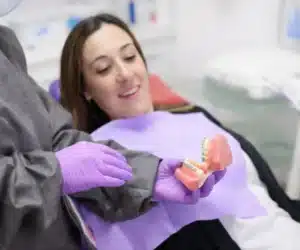
The journey to correcting jaw alignment issues with Invisalign begins with a thorough initial consultation and assessment. This first appointment is essential for determining whether Invisalign treatment is the right solution for your jaw pain, bite problems, or misaligned teeth. During your visit, the orthodontist will carefully examine your upper and lower teeth, assess your jaw alignment, and evaluate the health of your jaw joints and muscles. This comprehensive evaluation helps identify any jaw tension, discomfort, or bite issues that may be affecting your daily life.
Your orthodontist will use advanced diagnostic tools to analyze how your upper and lower jaws fit together and to pinpoint any areas where your teeth or jaw position may be causing strain. By understanding the root causes of your jaw discomfort—whether it’s due to misaligned teeth, improper bite function, or muscle tension—the orthodontist can develop a personalized treatment plan tailored to your needs and treatment goals.
Unlike traditional braces, Invisalign aligners are custom-made to fit your teeth and are removable, offering a more comfortable and convenient option for many patients. During the consultation, your orthodontist will explain how Invisalign aligners work to gently shift your teeth into proper alignment, which can help alleviate jaw pain and improve overall oral health. You’ll also discuss the expected treatment duration, what mild discomfort you might experience as your teeth shift, and how to maintain good oral hygiene throughout your Invisalign journey.
Maintaining good oral hygiene is especially important during Invisalign treatment. Your orthodontist will provide tips on caring for your aligners and keeping your teeth and gums healthy. In some cases, jaw exercises or alternative treatments may be recommended to support jaw movement and reduce discomfort. If you have severe skeletal discrepancies or complex jaw alignment issues, your orthodontist may discuss the possibility of orthognathic surgery or other advanced interventions to achieve optimal results.
Throughout your treatment, regular follow-up appointments will be scheduled to monitor your progress and make any necessary adjustments to your treatment plan. Open communication is encouraged—if you are experiencing jaw pain or any new discomfort, notify your orthodontist immediately so your care can be adjusted as needed.
The initial consultation is not just about straightening teeth; it’s about improving the alignment of your upper and lower jaws, enhancing facial balance, and supporting your overall dental health. By working closely with your orthodontist, you can achieve a healthier bite, reduce jaw pain, and enjoy a more confident smile. Taking this first step with a qualified and experienced orthodontic team ensures you receive the best possible care and results for your unique needs.
How Does Invisalign Work to Fix Jaw Alignment and Bite Problems?

Invisalign jaw uses a sequence of custom clear aligners to move teeth gradually into better positions. This method allows precise adjustments to tooth alignment and some bite and jaw issues without metal braces.
Invisalign treatment can also influence soft tissues in the face, such as the lips and jawline, leading to improved facial harmony.
Understanding the mechanics helps you know what to expect from treatment, and advanced digital planning with Invisalign helps ensure predictable outcomes for tooth and jaw alignment.
What Is the Invisalign Treatment Process for Jaw and Bite Correction?
Treatment starts with a consultation and a 3D digital scan of your teeth. From that model, a series of custom made aligner trays is created specifically for your teeth. Invisalign uses removable aligners, which offer convenience and comfort, making it easier to maintain oral hygiene compared to traditional braces.
You typically wear each aligner for one to two weeks before switching to the next. Orthodontic tooth movement is a fundamental part of Invisalign treatment and can lead to temporary jaw discomfort or pain, especially when switching to a new set of aligners. Regular check-ups let your clinician track progress and make adjustments if needed.
How Does Invisalign Apply Pressure to Adjust Jaw Position?
Aligners deliver gentle, targeted pressure to specific teeth to move them into better positions and improve the bite over time. The trays are made from flexible plastic for comfort, so they feel less abrasive than metal braces. Keep in mind that Invisalign mainly repositions teeth rather than moving jaw bones.
Who Is Eligible for Invisalign Treatment for Jaw Alignment?
Not everyone qualifies for Invisalign. Eligibility depends on the type and severity of the misalignment and on the patient’s willingness to wear the aligners as directed. A clinical assessment determines whether aligners are a suitable option.
What Patient Criteria Determine Invisalign Suitability for Jaw Issues?
Best candidates for Invisalign jaw treatment have mild to moderate bite issues and good overall dental health. Your provider will assess misalignment severity and your ability to follow treatment instructions. Severe skeletal discrepancies often require braces or orthognathic surgery instead.
When Is Traditional Braces Recommended Over Invisalign?
Traditional braces may be advised for complex cases or significant jaw misalignments where finer control of tooth movement is required. An orthodontist’s evaluation will identify the most appropriate treatment for your situation.
How Long Does Invisalign Take to Correct Jaw Alignment Issues?
Treatment length varies with case complexity and patient compliance. Knowing realistic timelines helps you plan and stay committed to the process.
What Factors Influence Invisalign Treatment Duration for Jaw Correction?
Duration depends on misalignment severity, age, and how consistently you wear the aligners. Typical treatment runs from about 6 to 18 months, with periodic check-ups to monitor progress.
What Are Typical Patient Outcomes and Timelines?
Many patients notice clear improvements within the first few months with Invisalign jaw treatment. By treatment end, most achieve their planned alignment and improved bite, leading to better function and appearance. Satisfaction rates for Invisalign are generally high.
What Are the Benefits of Choosing Invisalign for Jaw and Bite Correction?
Invisalign offers several advantages over traditional braces, including a less visible appearance, greater comfort, and easier oral care. These benefits help many patients stick with treatment and enjoy better results.
How Does Invisalign Improve Comfort and Aesthetics Compared to Braces?
The clear aligners are nearly invisible, so treatment is discreet. The smooth plastic reduces irritation to cheeks and gums compared with metal brackets and wires, improving comfort during treatment.
What Are Patient Experiences and Success Stories with Invisalign?
Patients often report increased confidence and convenience. Being able to remove aligners for eating and cleaning makes daily routines easier, which many people find improves adherence and outcomes.
Conclusion
Invisalign provides a discreet, effective option for correcting many jaw alignment issues while improving oral function and appearance under the expert care of Dr. Sean O’Callaghan. As a specialist orthodontist with extensive clinical experience treating children, teenagers, and adults, Dr. O’Callaghan digitally plans and customises every case to ensure precise, evidence-based results tailored to each patient’s needs.
His commitment to ongoing professional education and the latest orthodontic advancements reflects the high standard of care we deliver at Virtuosum Orthodontics. Custom aligners offer greater comfort and convenience than traditional braces for many patients while delivering predictable, clinically guided outcomes. Schedule your consultation today to learn how Invisalign can improve your smile and discover the best treatment options for you.
Frequently Asked Questions
What is the cost of Invisalign treatment for jaw alignment issues?
The cost varies by case complexity, treatment length, and location. On average, patients can expect to pay between $3,000 and $8,000. Some dental insurance plans cover part of the cost, so check your policy. Many practices also offer payment plans to spread the cost.
How often do I need to visit the orthodontist during Invisalign treatment?
Visits are usually every 6 to 8 weeks. These check-ups let your orthodontist review progress, make adjustments, and provide new aligners. Regular appointments keep the treatment on schedule.
Can I eat and drink with Invisalign aligners in?
Remove aligners for eating and for any drinks other than plain water. This prevents staining and damage and helps keep the aligners clear and effective. Removing them also lets you clean your teeth properly after meals.
What should I do if I lose or break an Invisalign aligner?
Contact your orthodontist promptly. You may be advised to wear the previous aligner until a replacement is made or given other instructions. Avoid skipping steps in the sequence, since that can delay results. Most clinicians can supply a replacement fairly quickly.
Are there any dietary restrictions while using Invisalign?
There are no special diet rules as long as you remove the aligners before eating or drinking anything except water. Still, avoid very sticky or hard foods that could damage the trays when they are out. Eating sensibly and keeping good oral hygiene supports treatment success.
How do I maintain oral hygiene while using Invisalign?
Brush after every meal before putting aligners back in, and floss daily. Clean aligners with a soft brush and mild soap or a recommended cleaner to keep them clear and hygienic. These habits reduce the risk of cavities and gum problems during treatment.
Can Invisalign Fix Severe Jaw Alignment Problems?
Invisalign can correct many bite-related tooth movements but is not always suitable for severe skeletal jaw issues. Patients with major discrepancies should discuss alternative treatments, including braces or surgery, with an orthodontist.
Is Invisalign Effective for Treating Overbite and Underbite?
Invisalign is effective for many mild to moderate overbites and underbites. Clinical studies show that many patients achieve successful results with aligners, making them a viable option for these alignment concerns.
The goal of Invisalign treatment is to move teeth and jaws into their correct position for improved comfort and oral health.