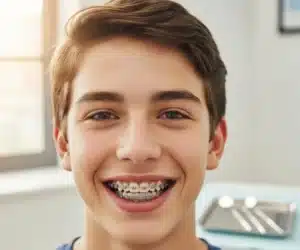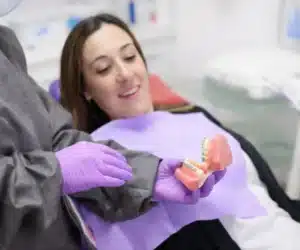
Traditional braces are a type of orthodontic treatment that uses metal brackets and wires to gradually straighten teeth and correct bite issues. They are one of the most effective and widely used solutions for treating mild to severe dental misalignment.

Orthodontic treatment is a central component of dental care for patients with complex conditions. Complex cases frequently involve severe malocclusions that create both functional impairment and aesthetic concern. This article examines the role of traditional braces in managing these cases and compares their performance with alternative orthodontic options.
It defines the dental problems that qualify as complex, outlines the treatment challenges they present, and explains why specialized strategies are required. The mechanical advantages of traditional braces, their reliability relative to clear aligners, and age‑specific treatment planning are also covered. After reading, clinicians and patients will have a clear basis for assessing whether traditional braces are the appropriate option for complex orthodontic treatment.
Complex Orthodontic Cases and Treatment Challenges
Complex orthodontic cases involve severe dental malalignments that demand specialist management. They commonly present with multiple issues—marked crowding, excessive spacing, and significant occlusal discrepancies. These cases require precise biomechanical control of tooth movement and frequently entail extended treatment timelines. A thorough appreciation of these factors is necessary to develop effective, individualized treatment plans.
Which Dental Issues Qualify as Severe or Complex?
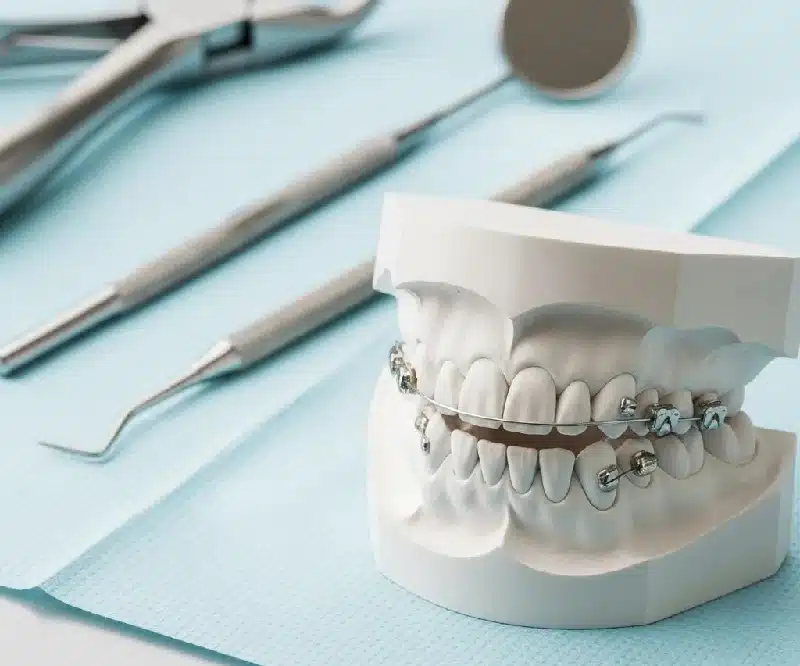
Several dental conditions are classified as severe or complex and typically require advanced orthodontic intervention. These include:
- Severe Crowding: When teeth are too close together, making it difficult to align them properly.
- Significant Spacing: Gaps between teeth that can affect bite and aesthetics.
- Bite Discrepancies: Conditions such as overbites, underbites, and crossbites that require careful correction.
- Jaw Alignment Issues: Problems with the alignment of the jaw that can lead to functional difficulties.
These conditions affect smile appearance and can compromise oral function and long‑term dental health. Timely and effective intervention is therefore essential.
Why Do Complex Cases Require Specialized Orthodontic Approaches?
Specialized approaches are required because of the technical demands inherent to complex cases. Precise control of tooth movement is essential to achieve stable occlusion and satisfactory facial aesthetics; conventional methods may be inadequate.
Orthodontists use advanced imaging along with technologies like SureSmile and SureAlign to plan treatment with greater precision. Combined with customized appliances and carefully sequenced steps, these methods allow orthodontists to address each patient’s unique anatomical and biomechanical needs. The result is a more personalized experience that supports better outcomes and improved patient satisfaction.
How Do Traditional Braces Effectively Address Severe Dental Issues?
Traditional fixed braces are highly effective for severe dental problems, using brackets, archwires, and bands to deliver controlled forces for predictable tooth movement. This system allows precise adjustments, and with Dental Monitoring, orthodontists can track progress remotely and make timely refinements.
At Virtuosum Orthodontics, we emphasize personalized treatment planning. Each plan is developed to address the patient’s anatomical characteristics and clinical objectives, ensuring fixed appliances are applied where they offer the greatest therapeutic benefit.
Advantages of Metal Braces in Complex Bite Alignment
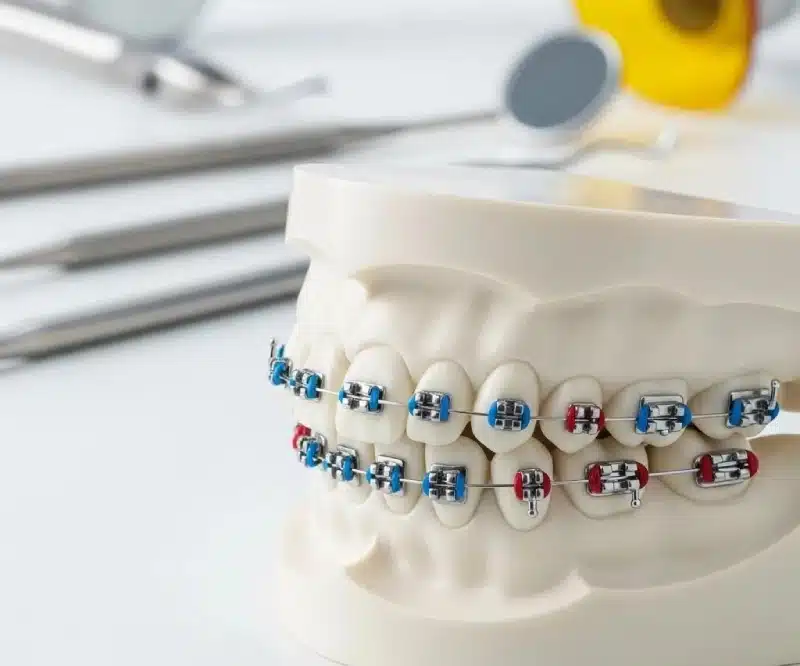
Metal braces provide mechanical properties that are advantageous for complex bite correction. These advantages include:
- Strength and Durability: Metal braces are robust and can withstand the forces required to move teeth effectively.
- Continuous Pressure Application: The design allows for consistent pressure on the teeth, facilitating gradual movement.
- Customization Options: Orthodontists can customize the treatment by adjusting the archwires and brackets to achieve the desired results.
These mechanical advantages make traditional braces a preferred option when addressing complex occlusal problems.
How Do Traditional Braces Compare to Other Appliances in Treating Complex Cases?
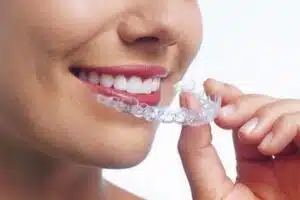
When compared with other orthodontic appliances, such as Invisalign clear aligners, fixed braces offer clinical advantages in severe cases due to their capacity to apply continuous and controlled force. Clear aligners can be less predictable for large or multi‑directional tooth movements. Additionally, aligner success depends heavily on patient adherence to prescribed wear time.
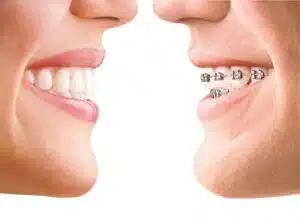
Braces vs. Clear Aligners for Complex Cases
The distinctions between fixed braces and clear aligners are clinically significant. Fixed braces offer:
- Greater Control: Orthodontists can make precise adjustments to the brackets and wires, allowing for better control over tooth movement.
- Effectiveness for Severe Cases: They are often more effective for patients with severe malocclusions that require extensive correction.
- No Compliance Issues: Unlike aligners, braces are fixed in place, eliminating concerns about patient compliance.
Clear aligners provide aesthetic and comfort advantages but may not be appropriate for the full spectrum of complex malocclusions.
Braces vs. Invisalign for Severe Malocclusions
Fixed braces are generally regarded as more reliable than Invisalign for severe malocclusions. Their fixed application maintains continuous force and precise control. Invisalign is effective for mild to moderate cases but may be limited when extensive corrective movements are required. For patients with complex orthodontic needs, fixed braces are frequently the more dependable treatment modality.
Treatment Duration and Results: Braces vs. Aligners
Treatment duration varies between fixed braces and clear aligners. Fixed‑appliance therapy typically ranges from 18 to 36 months, depending on case complexity. Clear aligners may offer shorter timelines for simple cases, but can lengthen in complex situations if patient compliance is not maintained. Outcomes with fixed braces tend to be more predictable for severe malocclusions.
Who Should Get Traditional Braces?
Fixed braces are suitable across age groups—children, teenagers, and adults. Each group has distinct treatment objectives and clinical considerations:
- Children: Early intervention can help guide the growth of the jaw and teeth.
- Teenagers: This age group often benefits from braces to correct alignment before adulthood.
- Adults: Many adults seek braces for aesthetic reasons or to address long-standing dental issues.
This versatility renders fixed braces appropriate for a broad patient cohort.
Orthodontic Treatment for Adults with Complex Bites
Fixed‑appliance treatment is effective for adults with complex cases. Many adults achieve substantial improvements in both function and aesthetics. Advances in orthodontic technology have broadened treatment possibilities for adult patients, including those with severe malocclusions.
How Are Treatment Plans Personalized Across Different Age Groups?
At Virtuosum Orthodontics, treatment plans are personalized according to patient age and clinical presentation. Early evaluation in children identifies developing problems; adolescent treatment often prioritizes aesthetics and comfort; adult plans accommodate lifestyle and restorative requirements. This bespoke approach ensures each patient receives the most appropriate care for their individual needs.
Costs and Maintenance of Traditional Braces in Hawthorne, NJ
The cost of fixed braces in Hawthorne varies depending on case complexity and treatment duration. Typical comprehensive costs range from $6,000 to $9,000. Maintenance includes routine review appointments every 4–8 weeks to monitor progress and perform adjustments as required.
How Does the Cost of Metal Braces Compare to Other Treatments?
Metal braces are generally more economical than ceramic braces or clear aligners. Ceramic options command a premium for aesthetic reasons, and clear aligners may also carry higher fees. Given the clinical effectiveness of metal braces for complex corrections, the cost is frequently justified by the expected treatment outcomes.
What Maintenance and Follow-Up Are Necessary During Treatment?
Maintenance during fixed‑appliance treatment requires regular orthodontic visits for adjustments and monitoring. Patients should maintain meticulous oral hygiene, including brushing around appliances and daily interdental cleaning. Clear emergency protocols should be in place to address issues such as broken brackets or wires promptly.
Understanding the Braces Treatment Process
The orthodontic course with fixed braces comprises several key milestones. An initial consultation establishes diagnosis and objectives. Appliances are then fitted, and periodic adjustment appointments are scheduled to control tooth movement. Some discomfort after adjustments is common but is usually manageable with simple measures.
How Orthodontic Consultations Work at Virtuosum Orthodontics
At Virtuosum Orthodontics, the initial consultation includes a full evaluation of dental and jaw alignment. The orthodontist will review treatment options, expected outcomes, and estimated costs. This consultation establishes the personalized treatment plan aligned with the patient’s clinical needs and goals.
What Are the Typical Treatment Milestones and Outcomes?
Throughout treatment with fixed braces, patients progress through standard milestones: the initial consultation, appliance placement, scheduled adjustments, and final appliance removal. The anticipated outcome is improved dental alignment and function, which contributes to overall oral health.
Conclusion
Fixed braces provide a reliable solution for complex orthodontic cases by delivering precise control and sustained force necessary to correct severe dental issues. Their mechanical advantages make them suitable across age groups and support improvements in both function and aesthetics. Choosing fixed braces represents an investment in a tailored treatment with predictable, measurable outcomes.
To discuss personalized orthodontic options with Dr. Sean O’Callaghan at Virtuosum Orthodontics, schedule an appointment today and take the first step toward a healthier, more confident smile.
Frequently Asked Questions
What are the common misconceptions about traditional braces?
A common misconception is that fixed braces are only appropriate for children and teenagers; adults can also gain substantial benefits. Another incorrect belief is that braces are solely cosmetic; in fact, they correct functional problems such as malocclusion and jaw misalignment. Concerns about pain are mitigated by modern techniques that improve patient comfort. Clear, evidence‑based information helps patients make informed treatment decisions.
How do I care for my traditional braces during treatment?
Appropriate care is essential to maintain oral health and ensure treatment efficacy. Patients should brush at least twice daily and clean interdental areas with floss or interdental brushes designed for orthodontic appliances. Avoid hard, sticky, and sugary foods that can damage brackets or increase caries risk. Attend regular dental and orthodontic reviews to monitor oral health and appliance function.
What should I do if a bracket or wire breaks?
If a bracket or wire breaks, contact your orthodontist promptly. In the interim, apply orthodontic wax to any sharp edges to protect the oral mucosa. Do not attempt to repair the appliance yourself, as this may cause further complications. The clinic will arrange a repair and, if required, adjust the treatment plan to prevent undue delay.
Are there any dietary restrictions while wearing braces?
Yes. Patients should avoid hard foods such as nuts, popcorn, and hard candies that can fracture brackets or wires. Sticky foods like caramel and chewing gum should also be avoided because they adhere to appliances and complicate hygiene. Prefer softer foods and cut larger items into smaller portions to reduce the risk of appliance damage.
How can I manage discomfort after getting braces or adjustments?
Some discomfort after appliance placement or adjustments is common. Over‑the‑counter analgesics such as ibuprofen or acetaminophen can provide relief. A cold compress applied externally may reduce swelling. Eating soft foods during the initial days can improve comfort. If pain persists or worsens, consult your orthodontist for further evaluation.
How often will I need to visit the orthodontist during treatment?
Patients typically attend the orthodontist every 4 to 8 weeks during fixed‑appliance treatment. These appointments allow progress assessment, wire adjustments, and any necessary interventions. Visit frequency may vary according to the complexity of the case and the specific treatment objectives.
What happens after my braces are removed?
After appliance removal, patients generally require a retainer to maintain the corrected tooth positions. The orthodontist will provide instructions on retainer wear duration and care. Follow‑up visits monitor stability. Continued good oral hygiene and routine dental examinations remain important for long‑term dental health.