Starting braces is an exciting milestone, but the first few days can feel unfamiliar. At Virtuosum Orthodontics, patients in Hawthorn and Ringwood often ask what the first week will really be like and how to manage eating, soreness, and daily care. The first week with braces usually comes with new sensations, but knowing what to expect ahead of time can make the adjustment far easier.
This guide walks you through what the first week is really like, what foods feel most comfortable, how to manage soreness, and how to protect your braces as you settle into a new routine. Any discomfort you feel early on is temporary, and most people notice steady improvement as the week goes on.
What to Expect During the First Week With Braces
The first week with braces is when your teeth and mouth are doing the most adjusting. Braces apply steady pressure to begin moving teeth into proper alignment, and that pressure is what causes soreness.
Many patients notice tenderness within the first few hours, with discomfort peaking around days two or three. Teeth may feel sore when biting down, and chewing can feel awkward at first. Some people also notice mild jaw fatigue. These sensations are normal and expected.
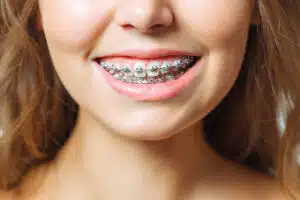
You may experience irritation along the cheeks or lips as they adjust to brackets and wires. Temporary speech changes, such as a slight lisp, can also occur. By the end of the week, most patients feel noticeably more comfortable.
What Foods Are Best to Eat During Your First Week
Soft foods are the easiest option during the early days with braces. They reduce pressure on sensitive teeth and help prevent irritation while your mouth adjusts.
Good choices include yogurt, smoothies, mashed potatoes, oatmeal, scrambled eggs, pasta, rice, soups, applesauce, and soft fruits. These foods require minimal chewing while still providing energy and nutrition.
Cold foods can be especially soothing during the first few days. Cutting food into smaller pieces and eating slowly also helps reduce discomfort while chewing feels unfamiliar.
Foods to Avoid While Your Mouth Adjusts
Hard, crunchy, and sticky foods should be avoided during the first week. Items like nuts, popcorn, ice, crusty bread, raw vegetables, and hard candy can increase soreness or damage brackets and wires.
Sticky foods such as caramel and chewing gum can pull on braces and make cleaning difficult. Avoiding these foods temporarily helps protect your braces and allows your mouth to heal more comfortably.
These restrictions are short term. As soreness fades and your mouth adjusts, your orthodontist can guide you on safely reintroducing certain foods.
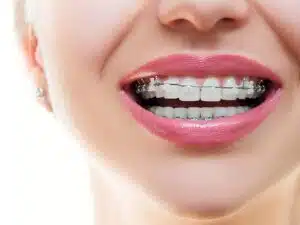
Managing Soreness and Discomfort
Soreness is a normal part of getting braces, but it can be managed with simple steps. Over-the-counter pain relief may help when used as directed, especially during the first few days.
Orthodontic wax can be applied to brackets or wires that rub against cheeks or lips. This helps prevent sore spots while soft tissues adjust. Rinsing with warm salt water can also ease irritation and support healing.
Use a soft-bristled toothbrush and avoid brushing too aggressively while teeth and gums are sensitive.
Daily Care Tips to Protect Your Braces
Daily care is especially important during the first week. Brackets and wires create new places for food to get trapped, so brushing after meals helps keep your mouth comfortable and clean.
Take your time brushing around brackets and along the gumline. Flossing may feel challenging at first, but floss threaders or orthodontic floss can make it easier. Rinsing with water after meals is helpful when brushing is not immediately possible.
Building these habits early helps protect your braces and supports long-term treatment success.
Orthodontic Support and Treatment Services
Having access to guidance can make the adjustment period feel far less stressful. Patients starting braces treatment in Hawthorn and Ringwood benefit from structured care designed to support comfort from day one.
Orthodontic consultations in Hawthorn and Ringwood give patients and parents the opportunity to ask questions, address concerns, and receive reassurance during the early stages of treatment. Educational resources shared through Virtuosum Orthodontics also help patients feel informed and supported throughout the process.
FAQs About the First Week With Braces
How long does pain last during the first week?
Soreness usually peaks within the first few days and gradually improves by the end of the week.
What if my braces hurt too much to eat?
Stick to very soft foods, smaller bites, and colder options until chewing becomes more comfortable.
Is it normal for teeth to feel slightly loose?
Yes. Teeth can feel mobile as they begin to move, which is normal during orthodontic treatment.
Can I exercise during my first week with braces?
Most activities are fine. A mouthguard is recommended for sports.
When should I contact my orthodontist?
Reach out if you experience sharp pain, broken brackets, or irritation that does not improve with wax or time.
Support During Your First Week With Braces
The first week with braces is a learning period, and questions are completely normal. If you need reassurance or personalized guidance, the team at Virtuosum Orthodontics is there to support you. Reaching out or scheduling a visit can help ensure your adjustment stays comfortable and on track.