
Orthodontic treatment works best when small, everyday habits line up with your treatment plan. Most delays don’t happen because something “went wrong” at the office—they happen because of simple, fixable behaviors at home. The good news? With a little awareness, most orthodontic mistakes are easy to avoid, and staying consistent can help keep your timeline on track.
Whether you’re a teen, a parent managing a busy schedule, or an adult balancing work and family, this guide Virtuosum Orthodontics highlights the most common daily slip-ups that slow progress—and what you can do instead to achieve the best possible results.
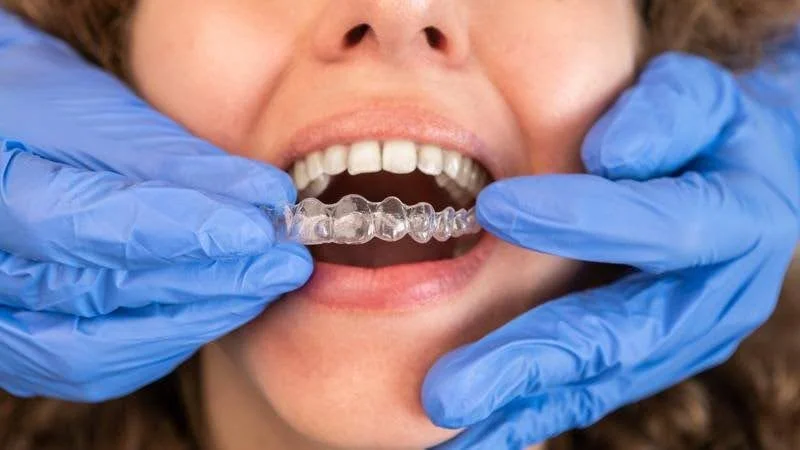
Why Daily Habits Matter During Orthodontic Treatment
Braces and clear aligners move teeth through steady, controlled pressure. That pressure only works when it’s applied consistently. Skipping steps—even small ones—interrupts the process and can add weeks or months to treatment.
Delays usually happen when:
- Appliances aren’t worn or cared for as directed
- Damage goes unaddressed
- Appointments are postponed
None of these are uncommon, and they’re rarely intentional. Understanding how daily habits affect tooth movement sets realistic expectations and helps you avoid unnecessary setbacks.
Common Daily Orthodontic Mistakes That Slow Progress
Below are the most frequent habits orthodontists see—and how each one can affect your timeline.
Not wearing aligners as directed
Clear aligners must be worn 20–22 hours per day. Wearing them “most of the time” isn’t enough. Inconsistent wear allows teeth to drift back, forcing refinements or extended treatment.
Skipping elastic wear
Elastics guide bite correction. Skipping them—even occasionally—can stall bite changes, which often take the longest to fix.
Poor oral hygiene
Plaque buildup can lead to inflammation, cavities, or gum issues that pause treatment. Healthy gums are essential for safe tooth movement.
Eating foods that damage braces
Hard, sticky, or crunchy foods can break brackets or bend wires. Even minor damage can stop progress until repairs are made.
Missing or delaying appointments
Regular check-ins allow timely adjustments. Pushing visits back slows planned movements and can create a domino effect on your schedule.
Mistakes Specific to Invisalign Treatment
Invisalign is convenient—but only when used correctly.
Inconsistent wear time
Removing aligners for long meals, frequent snacking, or social events adds up quickly.
Improper cleaning
Hot water can warp aligners. Skipping daily cleaning leads to odor, staining, and bacterial buildup.
Removing aligners too often
Each removal reduces wear time. If aligners aren’t in, teeth aren’t moving.
Not switching trays on schedule
Staying in an old set too long—or switching early without guidance—can disrupt planned movements.

Mistakes Specific to Braces
Braces are durable, but they still require care.
Ignoring broken brackets or poking wires
Waiting too long to report issues can halt movement on affected teeth.
Trying to “tough it out” with pain
Discomfort can signal a problem. Quick adjustments prevent bigger delays later.
Dietary slip-ups
Ice, popcorn kernels, and chewy candies are common culprits behind emergency visits.
How These Orthodontic Mistakes Affect Treatment Time
When habits don’t match the plan, orthodontists may need to repeat steps, order new appliances, or add visits. Over time, repeated orthodontic mistakes can lead to:
- Longer overall treatment
- Extra appointments
- Additional aligners or repairs
- Less predictable results
Staying consistent protects the progress you’ve already made.
Services That Support Successful Orthodontic Treatment
Educational support and structured care can make consistency easier.
For example, Invisalign clear aligner treatment at Example Orthodontics in Hawthorn, available through exampleorthodontics.com, includes digital monitoring and wear-time guidance that helps patients stay aligned with their plan.
Similarly, braces check and adjustment services at Example Orthodontics in Ringwood, also detailed on exampleorthodontics.com, focus on timely repairs and progress tracking to prevent small issues from becoming delays.
These services are designed to support—not rush—steady, predictable treatment.
Areas We Serve
At Virtuosum Orthodontics, our orthodontic team provides ongoing care for patients from Hawthorn and Ringwood. We offer convenient appointment scheduling and consistent follow-up to support teens, families, and adults managing busy routines while staying on track with their orthodontic treatment.

Frequently Asked Questions
What happens if I miss a day wearing my aligners?
One missed day isn’t usually a problem, but repeated gaps can add up. Resume wear immediately and let your orthodontist know if it happens often.
Can broken brackets delay treatment?
Yes. A broken bracket stops movement on that tooth until it’s repaired.
How often should I see my orthodontist during treatment?
Most patients are seen every 6–8 weeks, but timing varies based on your plan.
Do orthodontic mistakes permanently affect results?
Usually not, if addressed early. Consistent habits help avoid long-term issues.
How can I stay consistent with my treatment plan?
Set reminders, keep aligner cases handy, follow dietary guidelines, and communicate concerns early.
Stay on Track With Your Orthodontic Treatment
If you’re unsure whether your habits are helping or hurting your progress, you don’t have to guess. A quick check-in can prevent small issues from turning into longer delays.
At Virtuosum Orthodontics, the team helps patients catch problems early, adjust treatment when needed, and stay consistent with daily routines that support healthy, timely results. Whether you’re wearing braces or Invisalign, scheduling a follow-up or consultation can give you clarity and peace of mind.
If something feels off—or if life has made consistency harder than expected—reach out and take the next proactive step toward finishing treatment with confidence.